



William Groom, Telecom Administrator, on Finding the One Tool That Works Everywhere His Meetings Do

William L. Groom, System Administrator and Telecom Manager, community college
William Groom manages telecommunications infrastructure for a community college — 1,500 telephones, voice-mail systems, contact centers — and stays accountable upward for issues, opportunities, and decisions made in a constant stream of meetings with leadership, vendors, and teammates.
"A typical day for me is MACD work, attending at least one meeting, and working with teammates on issues around networking and telecom," he says.
His meetings aren't contained to one platform. Some are in person. Some are video calls with vendors or carriers. Some happen in hallways. The common thread: they all generate information he needs to act on — commitments made, problems identified, decisions reached — and the people he's accountable to expect him to follow through.
The problem with trying to write everything down
For a long time, William tried to manage meeting information the way most people do — by writing during the meeting.
"Trying to pay attention during a meeting, scribbling notes that I later had trouble reading. Throwing away a note only to need it later for follow-up. And missing key takeaways while trying to capture another idea."
That last one captures something rarely acknowledged about manual note-taking: attention is not divisible. The moment you shift focus to record one idea, the next one arrives without you. Over time, the result isn't a complete record — it's a partial one, with the gaps in exactly the places where you were most engaged in the conversation.
Why hardware mattered
When William started looking for solutions, he evaluated software-based transcription apps and phone-based tools. He kept running into the same constraint: platform dependency.
Recording tools tied to a specific video conferencing app only work in that app. Phone-based recorders don't help in conference rooms. Tools that require an internet connection fail in low-connectivity settings.
"I like that it travels with me, is not tied to just an online meeting, and is software agnostic," he says of TicNote. "This is exactly what I was searching for."
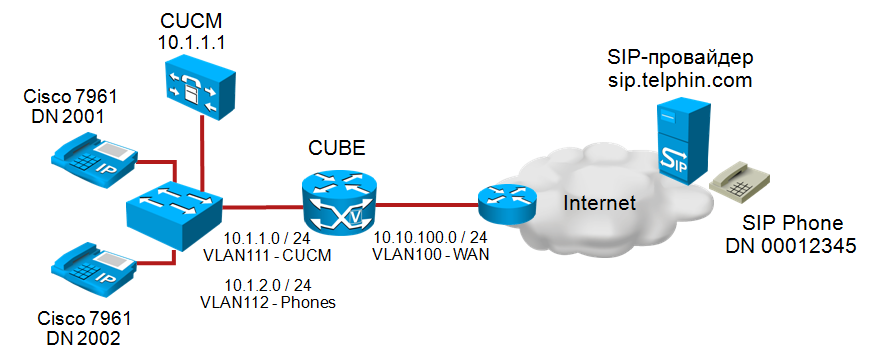
A sample network diagram from William's telecom work — the kind of multi-system environment where platform-independent tools are a necessity, not a preference
That phrase — software agnostic — does a lot of work for someone who manages infrastructure across multiple systems and vendors. A recording tool that works regardless of platform isn't a preference. It's a requirement. "The reviews were solid, the cost was reasonable, and the functionality does exactly what I need."
He also makes a point worth noting: he prefers the hardware model specifically because it doesn't require a note-taking bot in every meeting. The presence of an AI bot in a meeting changes how people talk. A small, unobtrusive device doesn't.
"I do believe this is where information technology is headed," he adds. "Data acquisition and assimilation increases productivity as well as efficiency. I prefer the hardware model for portability, without a note-taking bot in every meeting."
How he uses it
The workflow is straightforward. William starts recording when he enters a meeting. When it ends, he uploads to his phone for processing, exports the MP3 for archiving, and reviews the summary and to-do notes for follow-up.
"The summary is valuable, clearly presented. The transcript feature is handy for quick reference, and noting various speakers enhances usage."
He also uses the mind maps. "I love the mind maps — I have used them for over a decade." The ability to visualize the structure of a conversation, to see how topics connect and where threads of discussion led, complements the way he thinks through complex problems.
The conversation with his boss
The moment William describes most vividly is a recurring one: conversations with his supervisor.
"I got this to record conversations with my boss so I am able to listen and review topics discussed, and how certain issues require follow-up or a deeper drive," he says. "This allows me to be fully present during the discussion, gathering the requirements and needs that are currently present. We cover a lot of topics, and there are times when we bounce between topics rapidly, which can get confusing."
Being fully present in those conversations — rather than partly present and partly transcribing — means William understands more clearly what's actually being asked of him.
"It has increased participation in meetings, as I am able to pay closer attention to the topic at hand in the moment, knowing I will be able to clearly review later to recall exactly what was discussed in the proper context. This also eases an aging mind on correct recollection."
There's a candor in that last phrase worth noting. Memory isn't infallible. A reliable record closes the gap between what was said and what we remember being said — not as a crutch, but as an extension of professional competence.
William L. Groom is a System Administrator and Telecom Manager at a community college. He uses TicNote across in-person meetings, leadership sessions, and vendor calls — wherever a conversation generates information worth keeping.
