



Alfredo Cruciani, Insurance Intermediary, on the Peace of Mind That Comes From Never Missing What Matters
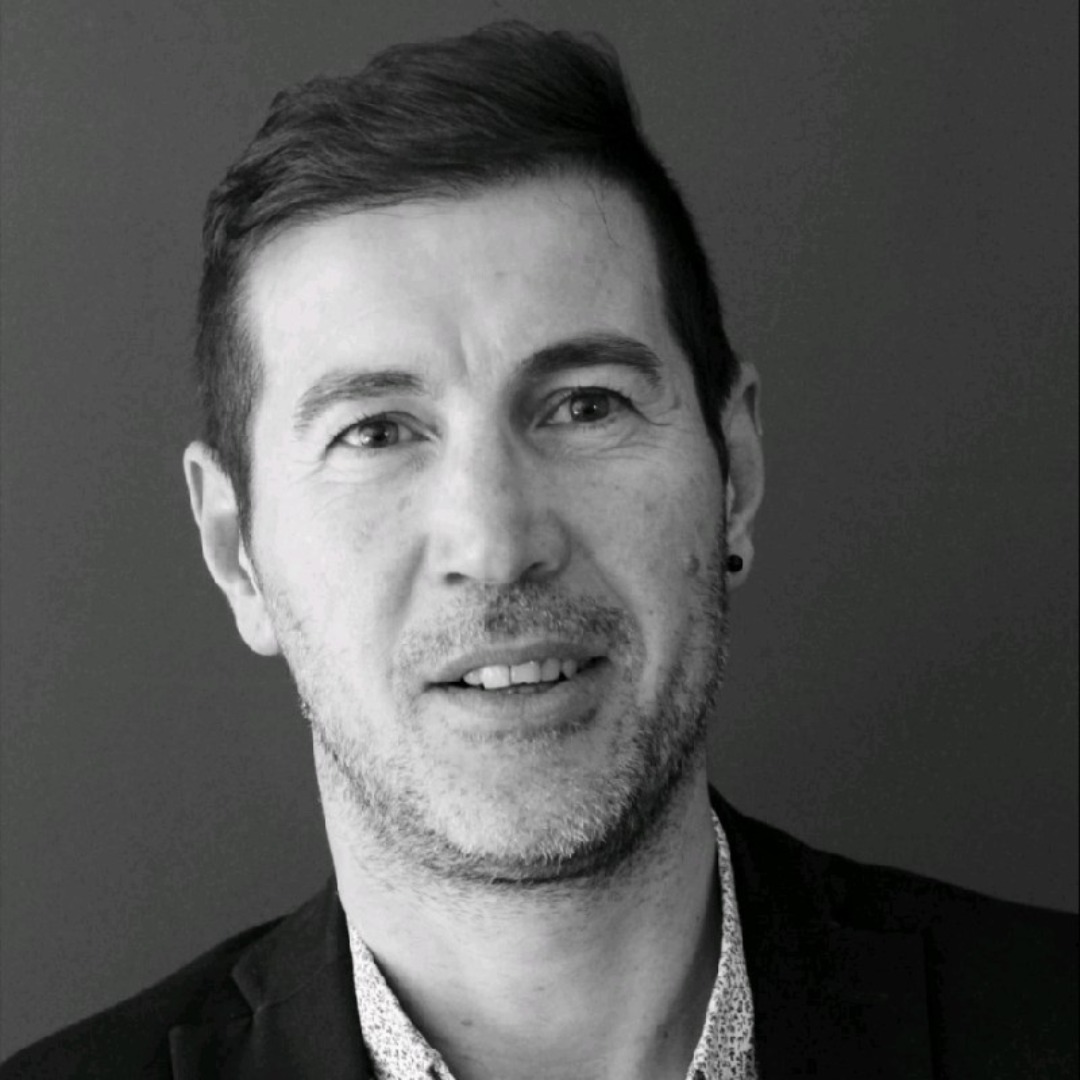
Alfredo Cruciani, independent insurance intermediary, risk management
Alfredo Cruciani works in a field where information is everything.
As an insurance intermediary specializing in risk management and insurance transfers, he meets with clients and service providers daily — in his office, on video calls, at consultations. The work requires him to analyze people and companies, understand complex risk profiles, and capture the precise details that shape the coverage he recommends. A missed detail isn't just an inconvenience. It's a liability.
"I deal with complex issues on a daily basis," he says, "whose management and resolution require accurate and in-depth analysis. Gathering the right information is essential."
For years, the challenge was structural: how do you gather that information completely and accurately while also staying present in the conversation? In client-facing work, the quality of the relationship depends on attention. The quality of the work depends on accuracy. These two demands have always been in tension.
The search for a solution
Alfredo wasn't looking for an AI assistant in the abstract. He was looking for a specific capability: a way to transcribe what he collected in audio format — to turn spoken conversations into structured records he could trust and act on.
When he came across TicNote through an advertisement, his instinct was immediate. "I immediately thought it was the right tool," he says.
The test was how well it performed in practice. Insurance work isn't a single meeting type — it's a range of interaction formats, from structured consultations to informal follow-up calls, each requiring a different kind of documentation. Could TicNote handle the variety? Could it capture the nuance of a complex discussion about risk exposure or policy terms?
The answer, in his experience, was yes — with one feature standing out above all others.
The summary that thinks like a colleague
What most impressed Alfredo wasn't transcription speed or accuracy alone. It was the summary.
"The summary is always surprising," he says. "The ability to capture the essential elements and rework them accurately, as if it were a real collaborator present at the meeting, is impressive."
That phrase — as if a real collaborator were present — is precise in a way that matters. A good summary isn't a transcript condensed. It's a reconstruction of what was important: what decisions were made, what information was exchanged, what needs to happen next. In professional services, that reconstruction is exactly what turns a conversation into a documented outcome.
He uses TicNote to transcribe meetings and appointments, ensuring he doesn't lose any information. "The report summary and analysis phase is also crucial," he adds. The output feeds directly into his client work — the documentation, the risk assessments, the follow-up communications.
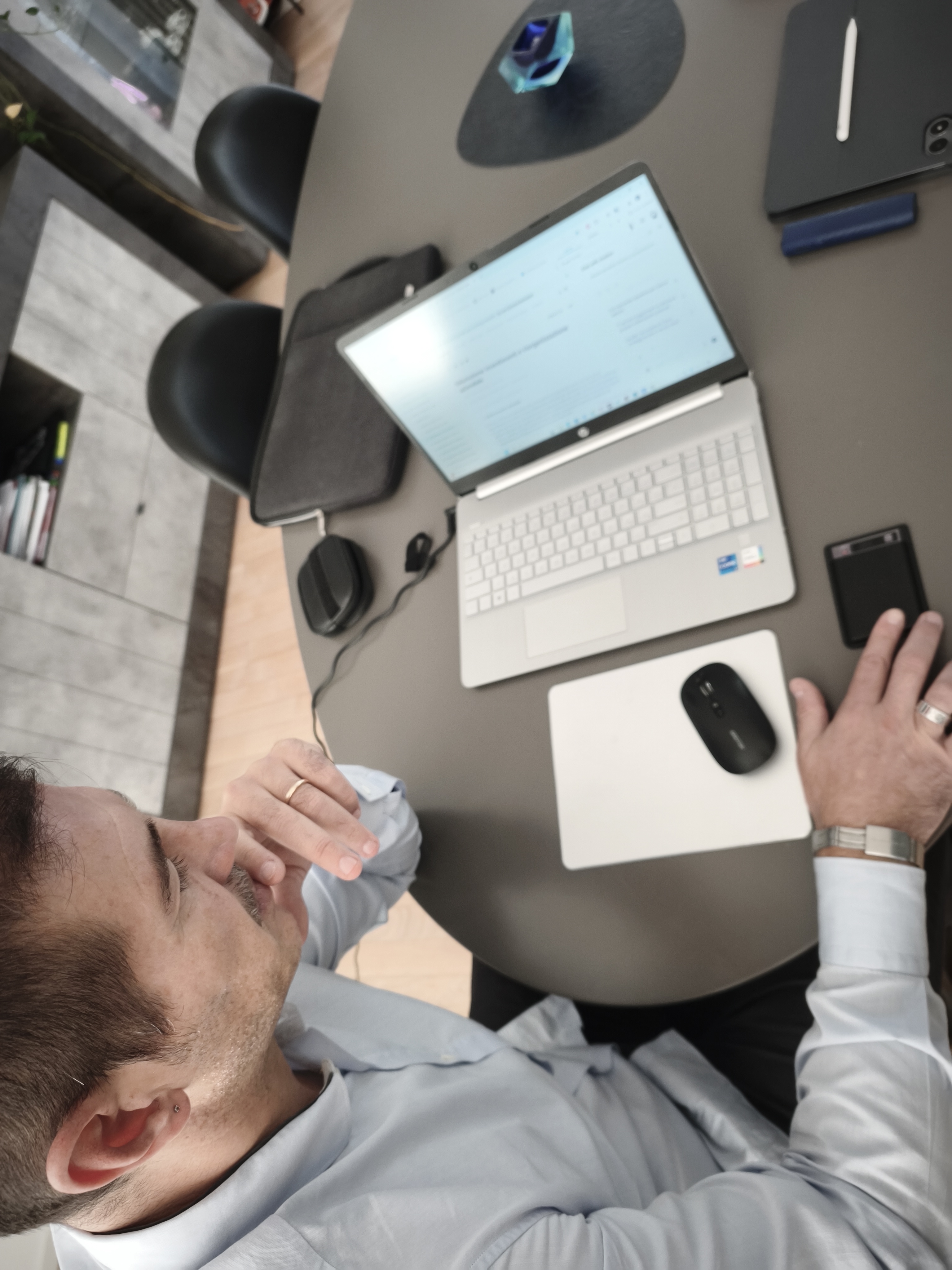
Alfredo at his desk — the setup where TicNote transcripts feed directly into client risk assessments and documentation
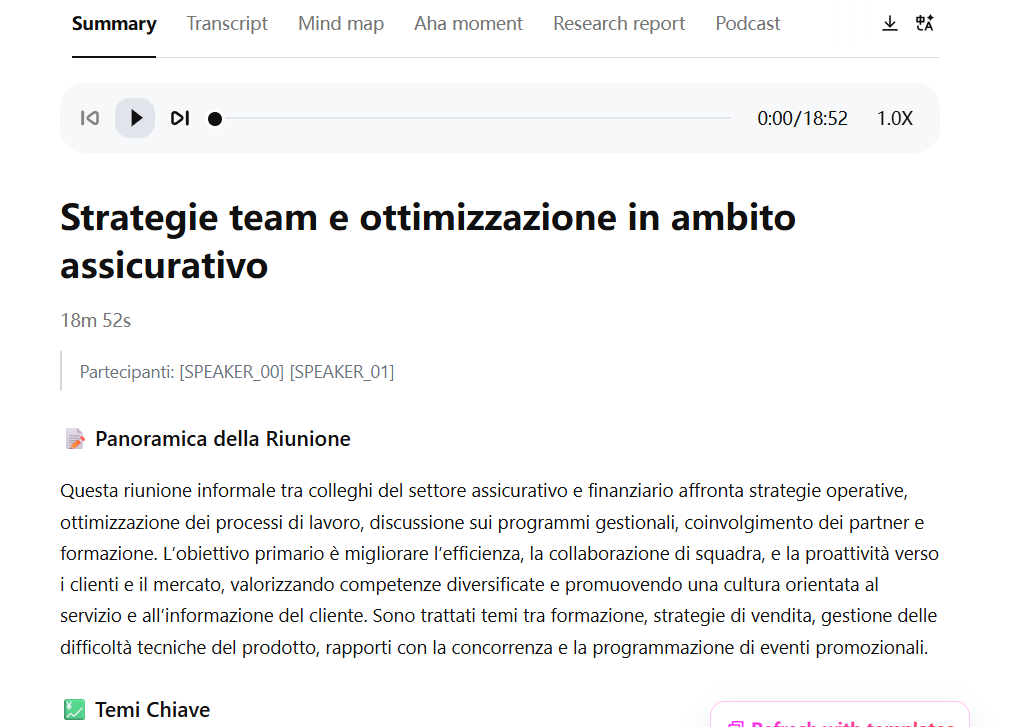
A TicNote summary from one of Alfredo's insurance team meetings — complete with transcript, mind map, and key topic breakdown
Peace of mind as a professional asset
The change Alfredo describes isn't operational efficiency in the abstract. It's something more personal: peace of mind.
"Absolutely," he says, when asked whether TicNote has changed how he works. "The peace of mind that comes from not missing or omitting information makes me feel more at peace in dealing with any situation."
In client-facing professional work, anxiety about information gaps is a real cognitive burden. The question in the back of your mind — did I capture everything? did I miss something important? — consumes mental energy that could be directed elsewhere. When you know the conversation is being captured reliably, that question disappears.
The result is a professional who is more present, more confident, and more capable of doing the work that actually matters: understanding the client, analyzing the risk, delivering the advice.
"Certainly," he says, when asked whether TicNote would be helpful for others in his industry. "Precisely because of the importance of the information and data we manage every day."
Alfredo Cruciani is an independent insurance intermediary specializing in risk management. He uses TicNote to transcribe client meetings and appointments, and to generate reliable summaries for follow-up and documentation.
