



Salvatore Santillo, Reception Manager at a Law Firm, on Turning Fast-Moving Conversations into Reliable Action
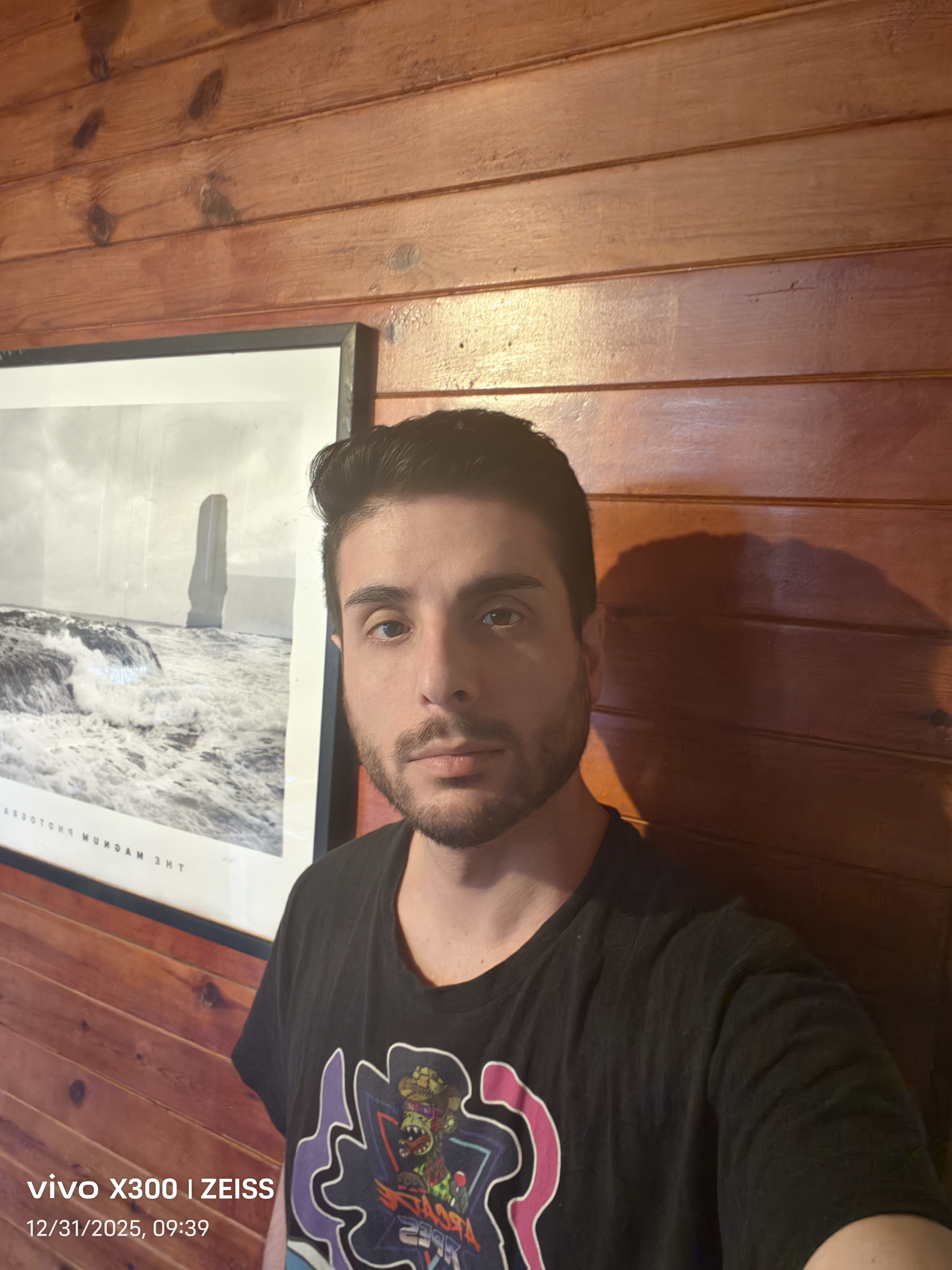
Salvatore Santillo, Reception Manager, corporate law firm
Salvatore Santillo's workday doesn't follow a script.
As Reception Manager at a corporate law firm, his role sits at the intersection of front-of-house operations, team coordination, and stakeholder management. On any given day, he might be managing shift coverage, resolving an unexpected facilities issue, fielding requests from senior management, and briefing his team — often all within the same hour. The environment is fast-paced, fragmented, and unforgiving of detail lapses. In a law firm, small things matter. A misremembered instruction, an unrecorded action item, a subtly misunderstood priority: these aren't just operational hiccups. They become problems that travel.
"Many instructions and decisions are communicated verbally and in short exchanges, often while multitasking," he says. "It is easy for details to be missed or misremembered if they are not captured accurately."
The real challenge wasn't paying attention. It was doing two things at once.
Salvatore's meetings weren't short stand-ups. Many ran thirty minutes or longer, covering staffing, operational priorities, and process changes all in one session. While one point was still being discussed, the conversation moved on to the next.
Taking written notes while fully participating in those discussions was, in his words, "not realistic in a fast-moving meeting." Focusing on writing meant losing threads. Focusing on listening meant losing details. He was constantly managing a trade-off that shouldn't have existed.
There was another layer on top of that. English is not Salvatore's first language. He is fully fluent and professionally confident — but following a complex, fast-moving discussion while simultaneously transcribing it requires a different kind of cognitive effort.
"I realised that trying to listen, process, and write simultaneously reduced my focus and increased the risk of missing nuances or important details," he says. "I needed a solution that allowed me to stay present in the conversation without compromising accuracy."
What made him try TicNote
Salvatore came across TicNote while looking for a more reliable way to manage information from meetings. What made him decide to try it wasn't a feature list — it was something simpler.
"Its simplicity and unobtrusive design," he says. A device that captured meetings as they happened, and let him review them later at his own pace. No interruptions during. No guesswork after.
Two phases, clearly separated
The shift in how Salvatore works isn't dramatic. It's structural.
Now, when he attends a meeting or coordination call, he brings TicNote and focuses on the conversation — listening, contributing, asking questions. Afterward, at a quieter moment, he reviews the transcript. He pulls out the action items, responsibilities, and follow-ups, then translates them into clear tasks for his team.
"In practice, TicNote helps me separate two phases of work," he says. "During meetings, I stay fully engaged. Afterward, I shift into analysis and execution."
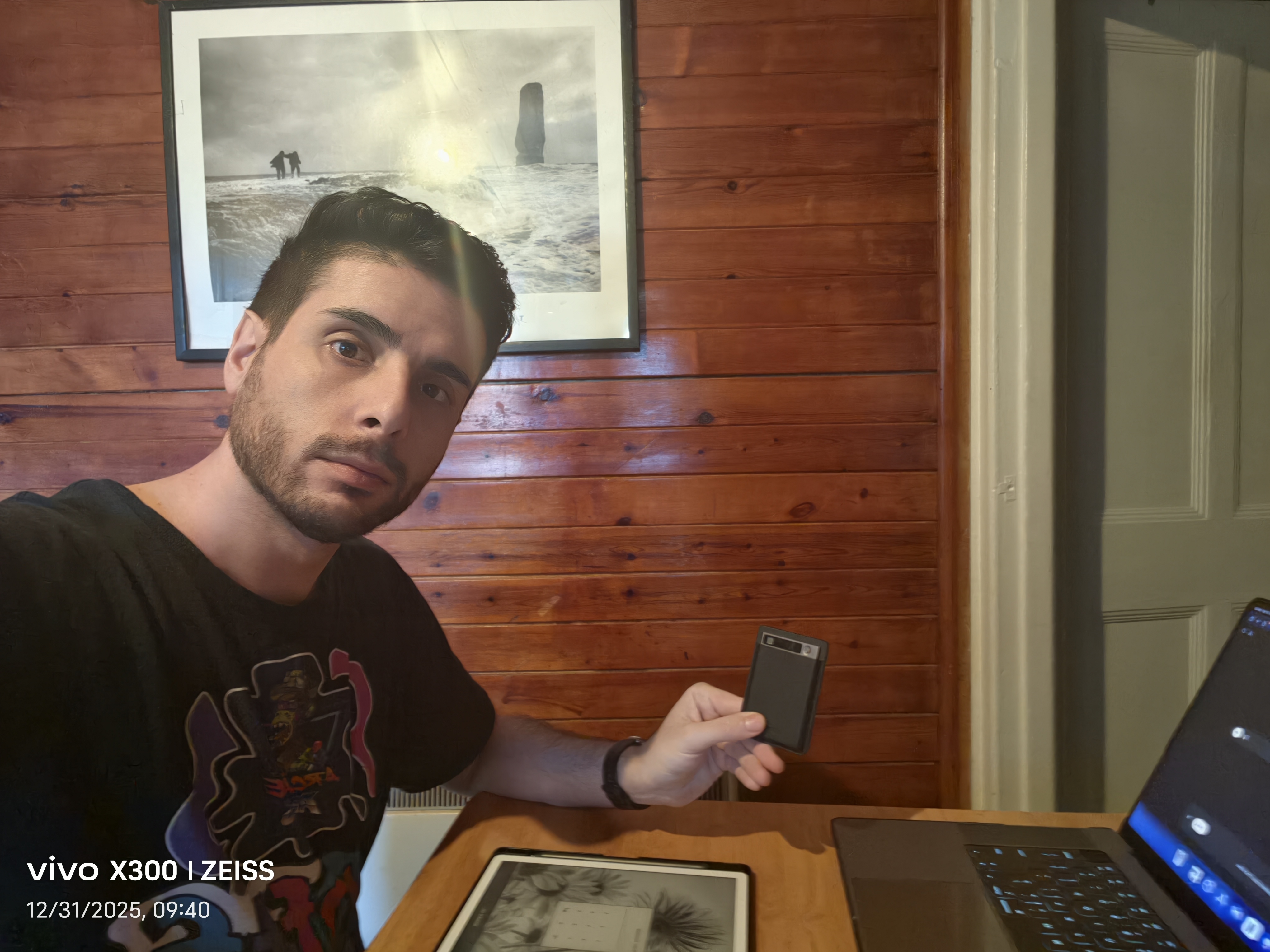
Salvatore with TicNote — the device that lets him stay fully present in meetings, then review and act on details afterward
The result isn't just better notes. It's a different quality of participation during the meeting itself. Better questions. Clearer contributions. More effective presence in the room.
The moment it proved itself
One longer coordination session covered staffing, operational priorities, and several small process changes in one go. At the end of it, there was no written summary. Multiple action items had been implied rather than formally assigned. In the past, that would have meant a day of memory-dependent follow-up.
Instead, he opened the transcript. Reviewed it. Identified the exact points where decisions had been made and expectations had been set.
"This allowed me to clarify next steps, align the team correctly, and avoid unnecessary back-and-forth the following day," he says. "What impressed me was not just capturing the meeting, but being able to turn a complex discussion into clear, actionable outcomes without needing to revisit the same topics again."
What it changed
Misunderstandings have decreased. The gap between what's discussed in meetings and what actually gets done has narrowed. The team operates with more continuity across shifts.
"Conversations feel more intentional," Salvatore says, "and follow-up is clearer and more consistent, which supports better collaboration across the team."
In a role where the quality of communication directly determines the quality of service, that consistency isn't a small thing. It's the foundation everything else rests on.
